How Creme Brulee Donuts Combine Custard and Caramelised Sugar
In Australia, they have become a bakery favourite from suburban patisseries to weekend markets. When done well, creme brulee donuts taste familiar, but feel new.
What exactly are creme brulee donuts?
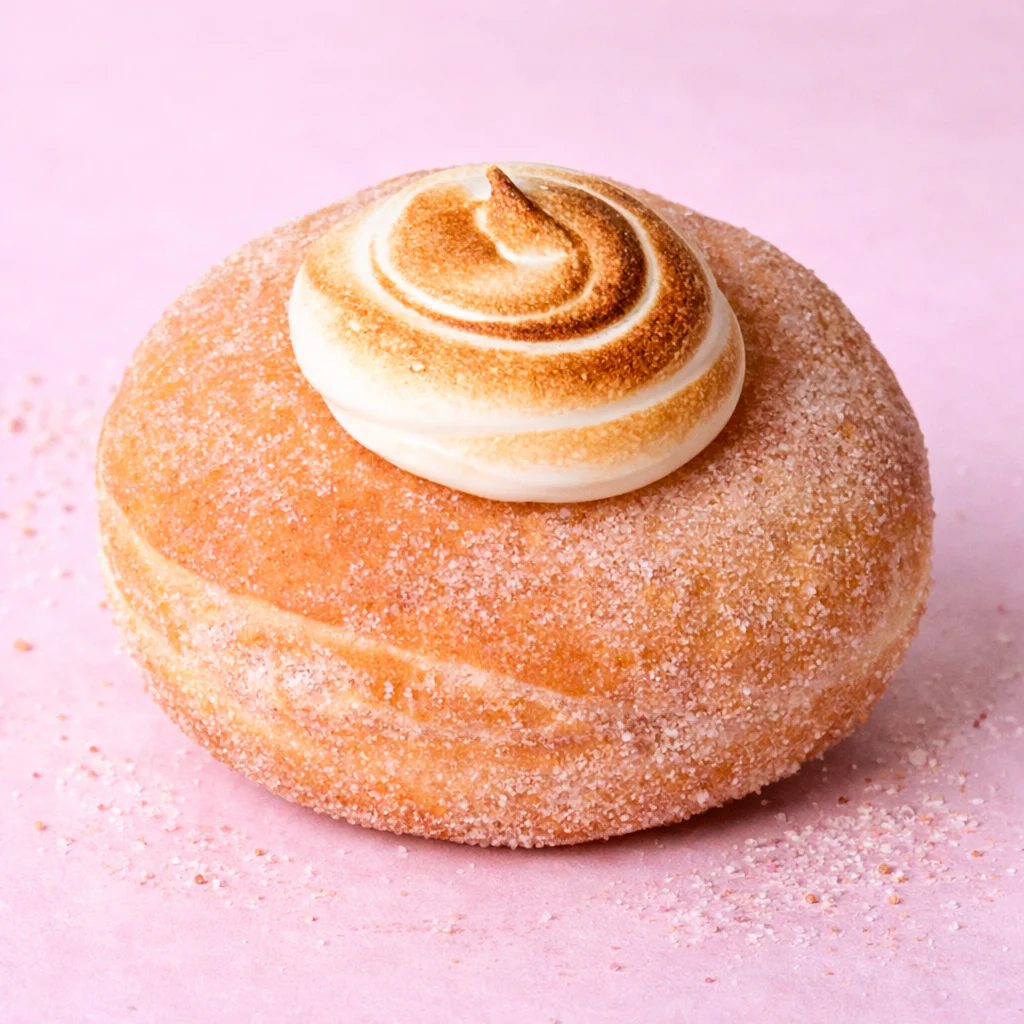
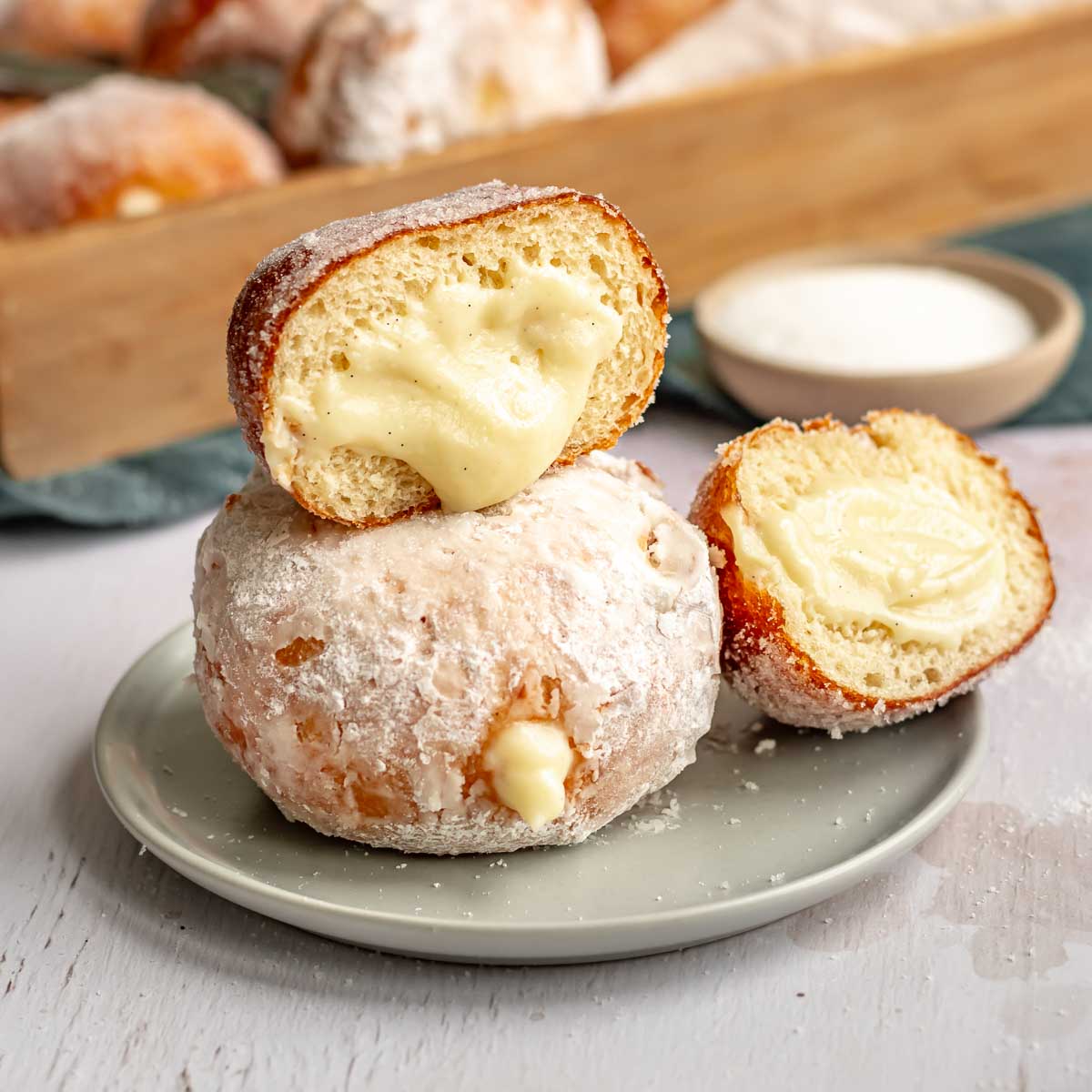
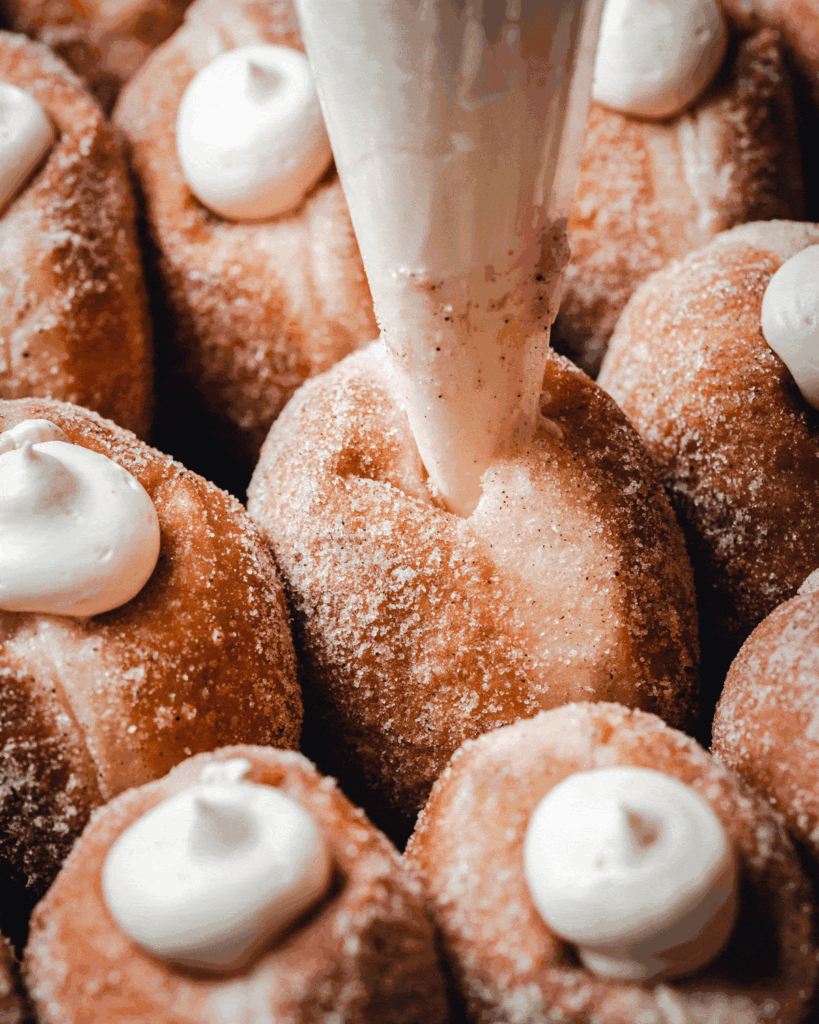
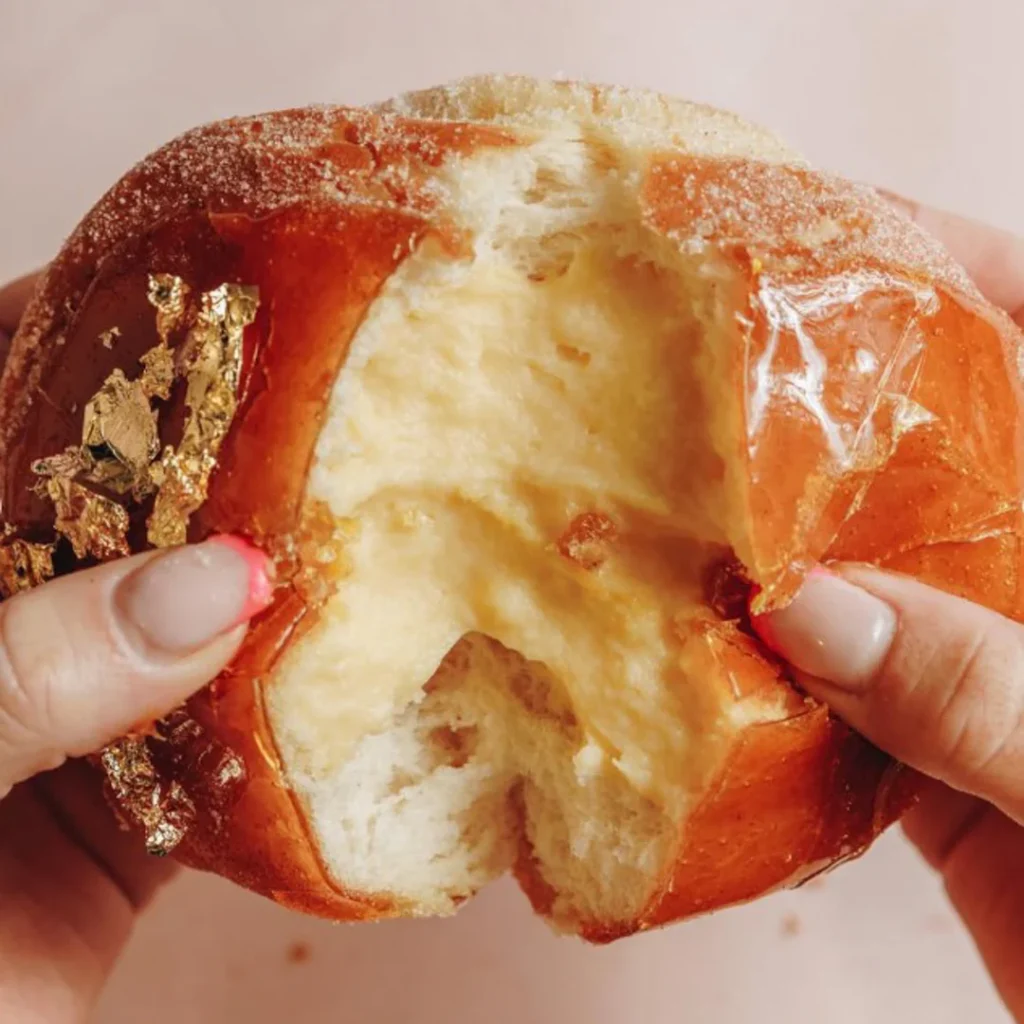
Creme brulee donuts are filled donuts inspired by crème brûlée, usually piped with vanilla custard and finished with caramelised sugar on top. They aim to recreate the dessert’s contrast, silky centre with a brittle, glass-like crust.
Most versions use a brioche-style donut for richness. Some Australian bakeries go lighter with milk buns, but the goal stays the same: custard inside, brûléed sugar outside.
How do they get a custard centre without turning soggy?
They stay stable when the custard is thick, cooled, and piped into a donut that has fully cooled too. If either part is warm, moisture migrates and the crumb can collapse.
Bakeries often use a pastry cream style custard, cooked with cornflour for body. In many Australian shops, the donut is injected just before display, so the crumb holds up and the custard tastes fresh.
What kind of custard works best in creme brulee donuts?
A vanilla-forward pastry cream is the usual choice because it tastes like classic crème brûlée and pipes cleanly. It also sets enough to stay in place once the donut is cut or bitten.
Some Australian bakers add a little mascarpone or whipped cream to lighten the texture, but that can reduce stability on warm days. The most reliable custards for creme brulee donuts are thick, smooth, and not overly runny.
How is the caramelised sugar topping made on a donut?
The topping is made by adding a thin layer of sugar to the donut’s surface, then melting it until it browns and hardens. The key is a fast, even melt so the donut beneath does not overheat.
Many bakeries use a blowtorch, similar to finishing a ramekin of crème brûlée. Others use a very hot grill for a quick set, but torches give more control for creme brulee donuts, especially in busy Australian pastry kitchens.
Why does the sugar “crack” the way it does?
It cracks because melted sugar cools into an amorphous glass, not a crystal. When bitten, that brittle sheet fractures into shards, creating the signature snap.
Humidity can make a difference in Australia, particularly in coastal areas of Sydney, Brisbane, and Perth. In damp conditions, the brûléed sugar topping can soften more quickly, so crème brûlée donuts are best enjoyed soon after the sugar is torched. For more ideas on keeping desserts fresh, dessert storage tips can help maintain texture and presentation.
What donut base suits this flavour combo best?
A brioche donut base suits it best because it has enough butter and egg to match the custard’s richness. It also stays tender, so the sugar topping becomes the main crunch, not the dough.
Yeast-raised donuts are a popular choice for crème brûlée donuts, although some Australian bakeries experiment with choux rings for a lighter hybrid style. The ideal base should be light rather than oily while remaining sturdy enough to support a generous filling. Choosing the right donut dough recipe can make a noticeable difference to the final texture.
How do bakers balance sweetness between custard and caramel?
They keep the custard less sweet so the caramel can shine. If both are very sweet, the donut tastes flat and heavy.
A well-made batch of creme brulee donuts often relies on vanilla, dairy richness, and a pinch of salt for contrast. Australian bakers may also use raw sugar or demerara for the brûlée layer to add depth without increasing sweetness too sharply.
What role does temperature play in serving them?
Temperature controls texture. Custard should be chilled or cool, while the brûléed sugar should be freshly set and crisp.
If creme brulee donuts sit too long in a display cabinet, the sugar absorbs moisture and loses its crack. That is why many Australian shops torch to order during quieter periods, or finish small batches more frequently on weekends.
What are the most common mistakes with creme brulee donuts?
The most common issue is sogginess, usually from warm filling, thin custard, or overproofed dough. Another frequent problem is burnt sugar, where bitterness overwhelms the vanilla custard.
A third issue is sugar that never properly hardens because the layer is too thick or the torching is uneven. For creme brulee donuts, a thin, even sugar sheet is what creates that clean crack.
How do Australian bakeries typically present them?
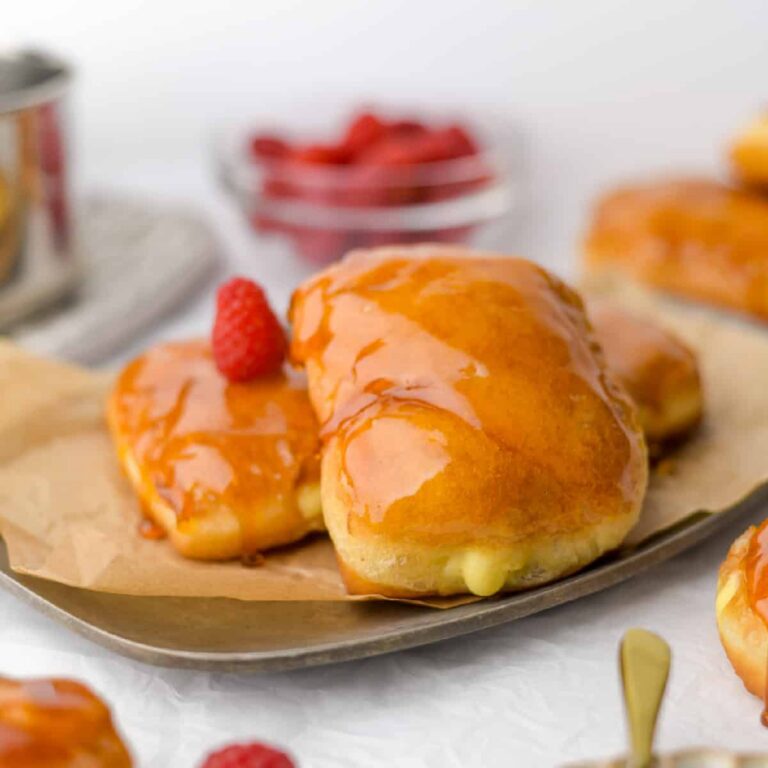
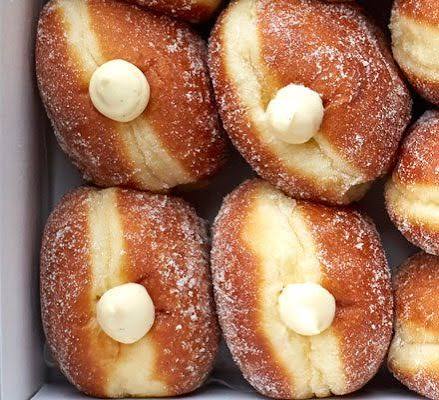
They are usually finished with a glossy brûlée disc on top, sometimes with a ring of sugar around the edge. Some shops add a small piped custard “button” on top, then torch it for a dramatic look.
In Melbourne and Sydney, it is also common to see them served in boxes to protect the sugar layer on the way home. Creme brulee donuts are delicate, and presentation often prioritises keeping the caramel intact.
Are there popular Australian flavour twists on the classic?
Yes, but the best twists keep the same idea: creamy centre plus crisp top. They might use coffee custard, passionfruit curd folded into pastry cream, or a hint of macadamia praline for an Australian pantry nod.
Some bakeries add a thin layer of raspberry jam under the custard, but that can compete with the brûlée. The strongest variations of creme brulee donuts still feel like custard first, caramel second.
When should they be eaten for the best texture?
They are best eaten within a few hours of torching, ideally sooner. The longer they sit, the more the caramel softens and the donut loses contrast.
If someone is buying creme brulee donuts from an Australian bakery, they should ask whether the top was just brûléed. Fresh caramel means a louder crack and a cleaner finish.
How should they be stored at home without ruining the top?
They should be stored in the fridge, uncovered or loosely covered, to reduce condensation. A sealed container can trap moisture and soften the caramel faster.
If the top goes soft, it is hard to fully restore the original crack without re-torching, and re-torching can warm the custard and weaken the donut. Creme brulee donuts are a “best today” pastry, not a long-keeper.
What makes creme brulee donuts feel so satisfying compared to other filled donuts?
They deliver contrast in a single bite: cool custard, warm-toasted caramel notes, and soft dough. That sensory mix is what makes them feel more like a plated dessert than a standard donut.
They also give a small moment of theatre, with the crack of the sugar top. When creme brulee donuts are made well, they taste intentional, not just sweet.
How can someone tell if a bakery’s version is worth trying?
They should look for a thin, evenly browned caramel layer and a donut that is not greasy. The custard should taste like real vanilla and dairy, not just sugar.
A good sign is that the shop torches in small batches and the topping still looks glassy. In Australia’s warmer months, the best creme brulee donuts often sell out early because freshness is part of the appeal.
What is the key idea behind how creme brulee donuts combine custard and caramelised sugar?
They combine custard and caramelised sugar by building contrast on purpose: thick, vanilla custard inside and a brittle caramel sheet on top. That structure keeps each texture distinct until the moment they bite in.
That is why creme brulee donuts have become such a standout in Australian bakeries. They take a classic dessert and transform it into something handheld, crisp, creamy, and memorable, making them an appealing choice for food lovers looking for a familiar treat with a modern twist.
FAQs (Frequently Asked Questions)
What exactly are creme brulee donuts?
Creme brulee donuts are filled donuts inspired by crème brûlée, usually piped with vanilla custard and finished with caramelised sugar on top. They recreate the dessert’s signature contrast of a silky centre with a brittle, glass-like crust, often using a rich brioche-style donut base.
How do bakeries prevent the custard center in creme brulee donuts from making the dough soggy?
To keep the donut from becoming soggy, bakeries use thick, cooled pastry cream custard that’s piped into fully cooled donuts. This prevents moisture migration and crumb collapse. Many Australian bakeries inject the custard just before display to ensure freshness and stability.
What type of custard is best suited for creme brulee donuts?
A vanilla-forward pastry cream is ideal because it tastes like classic crème brûlée, pipes cleanly, and sets firmly enough to hold its shape when bitten. Some bakers add mascarpone or whipped cream for lightness but prioritize thick, smooth custards that aren’t overly runny for stability.
How is the caramelised sugar topping applied to creme brulee donuts?
The topping is created by sprinkling a thin layer of sugar on the donut’s surface and then melting it quickly and evenly using a blowtorch or very hot grill. This process caramelises the sugar into a crisp, brittle layer without overheating the donut beneath, ensuring that signature crack.
Why does the sugar topping on creme brulee donuts crack distinctly when bitten?
The sugar cracks because melted sugar cools into an amorphous glass rather than a crystal structure. This brittle sheet fractures into shards upon biting, creating the characteristic snap. However, humidity can soften the sugar faster, so these donuts are best enjoyed soon after torching.
Which donut base complements the creme brulee flavor combination best?
A brioche donut base works best due to its richness from butter and eggs, matching well with the custard’s creaminess. It remains tender so that the crunchy sugar topping stands out as the main texture contrast. Yeast-raised bases are common, though some Australian bakeries use choux rings for a hybrid texture.