
Longevity Training Australia: Why It’s Trending & How to Start
The Australian fitness landscape has undergone a seismic shift. In 2026, the local conversation has moved beyond six-packs and “shredding” toward a more profound goal: healthspan. Australians are no longer just asking how long they can live, but how well they can live during those years.
Understanding why ‘Longevity Training’ is trending in Australia and how to start online in 2026 is essential for anyone looking to navigate the gap between a rising life expectancy and the quality of those additional years. With a 12-year average gap between lifespan and healthspan in Australia, longevity training has transitioned from a niche biohacking interest into a mainstream necessity.
See more: From Home Workouts to Meal Plans: The Power of an Online Weight Loss Coach
What is Longevity Training? Defining the Movement
At its core, longevity training is a proactive physical framework designed to delay the onset of chronic disease and preserve physical and cognitive function into the “marginal decade”—the final ten years of life.
Unlike traditional fitness, which often prioritizes aesthetic changes or short-term performance, longevity training is built on the principles of Medicine 3.0. This approach, popularized by figures like Dr. Peter Attia, focuses on four pillars:
- Cardiorespiratory Fitness: Building a “high ceiling” for aerobic capacity (VO2 max).
- Strength and Muscle Mass: Protecting against sarcopenia (muscle loss) and frailty.
- Stability and Mobility: Preventing falls and maintaining the ability to move through full ranges of motion.
- Metabolic Health: Ensuring the body efficiently processes energy to prevent type 2 diabetes and cardiovascular issues.
Why Longevity Training is Trending in Australia in 2026
The surge in popularity across Sydney, Melbourne, Brisbane, and Perth isn’t accidental. It is driven by a combination of demographic shifts and technological accessibility.
1. The 12-Year Healthspan Gap
Recent data from the Australian Institute of Health and Welfare (AIHW) and UNSW highlights a sobering reality: while Australians are living longer than ever, many spend their final 12 years in poor health. Longevity training aims to “compress morbidity,” essentially pushing the period of illness into a much smaller window at the very end of life.
2. The Influence of Medicine 3.0
The transition from reactive “Medicine 2.0” (treating disease after it appears) to “Medicine 3.0” (preventative, data-driven optimization) has taken hold of the Australian psyche. Fitness is now viewed as the most powerful “drug” available for preventing the four pillars of chronic death: cancer, heart disease, neurodegenerative disease, and type 2 diabetes.
3. The “Centenarian Decathlon” Concept
Australians are increasingly training for the “Centenarian Decathlon.” This involves identifying 10 physical tasks you want to be able to do at age 90—such as picking up a great-grandchild, carrying a bag of groceries, or getting up off the floor unassisted—and training for those movements today.
4. Integration of Wearable Tech
In 2026, wearable technology has reached a point of high precision. With advanced biosensors tracking everything from blood glucose to recovery scores, Australians are using data to personalize their training intensity, making longevity a measurable metric rather than a vague goal.

The Benefits of a Longevity-First Approach
Shifting your focus to longevity provides more than just a longer life; it enhances your current daily performance.
| Benefit | Impact on Lifestyle |
| Increased VO2 Max | Greater energy levels and reduced risk of all-cause mortality. |
| Higher Bone Density | Critical protection against fractures as we age. |
| Cognitive Resilience | Improved blood flow to the brain, reducing the risk of dementia. |
| Metabolic Flexibility | Better weight management and stable energy without “crashes.” |
How to Start Longevity Training Online in 2026
Starting a longevity program no longer requires a specialized clinic in a capital city. The rise of hybrid digital coaching has made world-class expertise accessible from any Australian suburb.
Step 1: Baseline Assessment
Before lifting a weight, you must know your starting point. Many online Australian platforms now offer digital assessments that include:
- Mobility Screening: Via AI-assisted video analysis.
- Strength Benchmarking: Testing your “dead hang” or “wall sit” times.
- Bio-data Integration: Linking your wearable device (Apple Watch, Oura, etc.) to the coaching app.
Step 2: Focus on Zone 2 and Zone 5 Cardio
A balanced program includes both ends of the cardiovascular spectrum.
- Zone 2: Steady-state exercise (like a brisk walk or light cycle) where you can still hold a conversation. Aim for 150–200 minutes per week.
- Zone 5: High-intensity intervals to boost VO2 max. One session per week is typically sufficient for most beginners.
Step 3: Progressive Resistance Training
Muscle is “longevity insurance.” Online programs should emphasize compound movements—squats, hinges, pushes, and pulls. In 2026, many Australians use modular home gym equipment like the Les Mills SMARTBAR or TRX systems to perform these movements effectively at home.
Step 4: Prioritize Stability
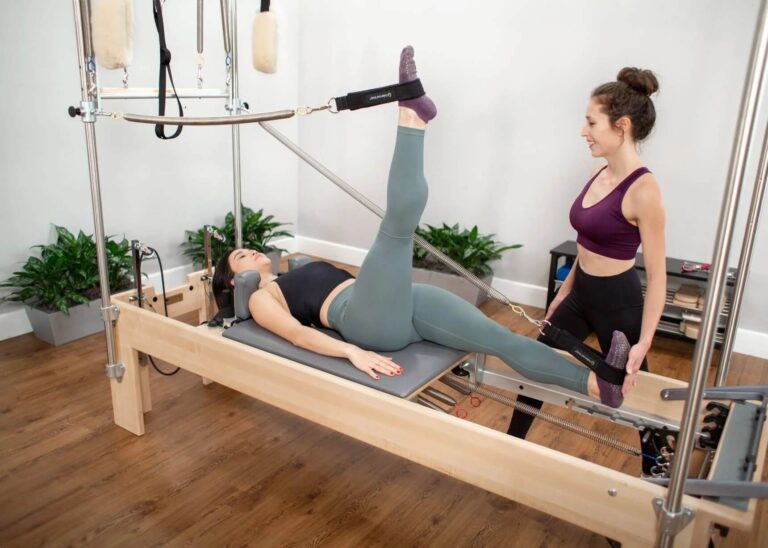
Stability is the foundation of all movement. Incorporating “slow” work—like single-leg balances or core-focused Pilates—is essential for preventing the injuries that often sideline people in their 50s and 60s.
Common Mistakes to Avoid
- Over-Training: Longevity is about sustainability. Constant high-intensity training can lead to systemic inflammation and injury.
- Ignoring Sleep: Exercise is the stressor; sleep is the repair. Without 7–9 hours of quality sleep, your longevity training is counterproductive.
- Low Protein Intake: To maintain muscle mass (especially over age 40), a protein-forward diet is non-negotiable. Aim for approximately 1.6g to 2.2g of protein per kilogram of body weight.
Frequently Asked Questions (FAQ)
What is the difference between fitness and longevity training?
Traditional fitness often focuses on a specific look or a short-term goal (like a marathon). Longevity training focuses on functional capacity and disease prevention for the next 30 to 50 years of your life.
Is longevity training suitable for seniors?
Yes, it is specifically designed for aging populations. In Australia, programs like Strength for Life (COTA SA) have pioneered this, but modern online options now offer even more personalization.
Do I need a gym for longevity training?
No. Many Australians successfully train for longevity using bodyweight exercises, resistance bands, and outdoor walking or rucking.
How do I measure progress in longevity?
Progress is measured through metrics like VO2 max, grip strength, recovery heart rate, and improvements in balance and mobility scores rather than just the scale.
Can I start longevity training if I have an existing injury?
Ideally, yes, but you should look for an Accredited Exercise Physiologist (AEP) who offers online coaching. They are specifically trained to prescribe exercise as medicine for those with clinical conditions.
Conclusion: The Future of Health in Australia
As we navigate 2026, it is clear that the Australian “fit-spo” culture has matured. We are trading the pursuit of temporary vanity for the pursuit of permanent vitality. By understanding why ‘Longevity Training’ is trending in Australia and how to start online in 2026, you are taking the most important step toward ensuring your future self is strong, mobile, and independent.
The best time to start training for your 90s is in your 30s, 40s, or 50s. The tools are now at your fingertips—all you need to do is begin.